We can't find the internet
Attempting to reconnect
Something went wrong!
Hang in there while we get back on track
BEAM

The underlying technology of Erlang and BEAM is pivotal in various realms of modern software engineering, from networking and web development to machine learning and security. Contributing to the richness of the BEAM ecosystem, Erlang OTP team members discuss the intricacies of the language and libraries that power scalable, fault-tolerant applications. Parallelly, discussions within the Elixir community, particularly through Beam Radio, highlight Elixir's functional programming elegance, its concurrency models, and tools like Phoenix LiveView that are revolutionizing web development.
Elixir's capabilities are empowering developers to build complex, efficient systems with ease. The application of BEAM technologies spans across industries, with particular note in the fields of machine learning, where libraries like Nx and FLAME are posited as formidable alternatives in elastic workloads. In financial services, Erlang and Elixir's real-time processing and fault tolerance are underlined as key enablers.
Contributors enthusiastically share their experiences, ranging from Ash Framework's proponents elucidating its advantages for Elixir development to the exploration of security in Elixir coding practices and the use of tools safeguarding the codebase. Security experts discuss crucial aspects such as code security prioritization and elucidate on practices that strengthen application defenses within the ecosystem. The community also delves into the deployment of Elixir applications on a global scale, where developers leverage platforms like Fly.io to distribute applications across the world with minimal logistics.
Observability features unique to the BEAM runtime are discussed, paired with insights into networking solutions that benefit from BEAM's robust architecture for handling connections and building resilient systems. The BEAM community celebrates its continuous adaptation and integration of cutting-edge solutions like the Nerves Project for embedded systems and the utilization of pattern-matching for high-performance text and name search features in databases like Postgres, often as replacements for technologies like Elasticsearch.
The Elixir community is vibrant with ongoing discourse about state handling, concurrency, distributed systems, and the BEAM's potential beyond its current applications. Dynamic discussions at conferences, such as ElixirConf, delve into topics like asset portfolio optimization and real-time product development, highlighting the BEAM's versatility. Learning and knowledge sharing are cornerstones of the community, with engagements ranging from hosting informative episodes on dependency management to utilizing frameworks that integrate effortlessly with Elixir, among other best practices.

Integrating Prometheus Metrics and Grafana Dashboards with Elixir using PromEx
Alexandre Moreira Xavier shows you how to build your own Prometheus metrics using PromEx. PromEx is a library made by Alexander Koutmos that helps you integrate your Elixir application with Prometheus and Grafana.

ElixirConf 2023 Behind the Scenes Episode 59
Beam Radio presents the final ElixirConf bonus episode featuring interviews with speakers and attendees, including Greg Vaughn, Jenny Bramble, Desmond Bowe, José Valim, Ryan Schneck, Razvan Draghici, Sam McDavid, and more.

Understanding Elixir's Low Latency Capabilities
Lars explores how Elixir leverages Erlang's soft real-time capability and consistently low latency to provide a near-realtime experience and enhance user satisfaction.

Managing Large Files in Elixir Applications
Claudio Ortolina discusses the challenges of handling large files in Elixir and provides recommendations and strategies to mitigate memory-related issues. The post also includes three use cases, along with measurements and approaches for each case, offering a methodical approach for working with large files in similar situations.

Asynchronous Task Management in Phoenix LiveView
In this blog post, Mark Ericksen explains how to build an asynchronous workflow in a LiveView using Elixir's concurrency primitives. He demonstrates how to link processes, trap exits, and handle tasks, providing a step-by-step guide to achieve an elegant and efficient solution.
Exploring Nx and Tensors Beyond Machine Learning in Elixir
This post by Jason Stiebs explores the use of NX with Elixir for efficient math programming. It explains how tensors can be used to perform various mathematical operations and highlights the potential of NX for tasks like machine learning and image manipulation.
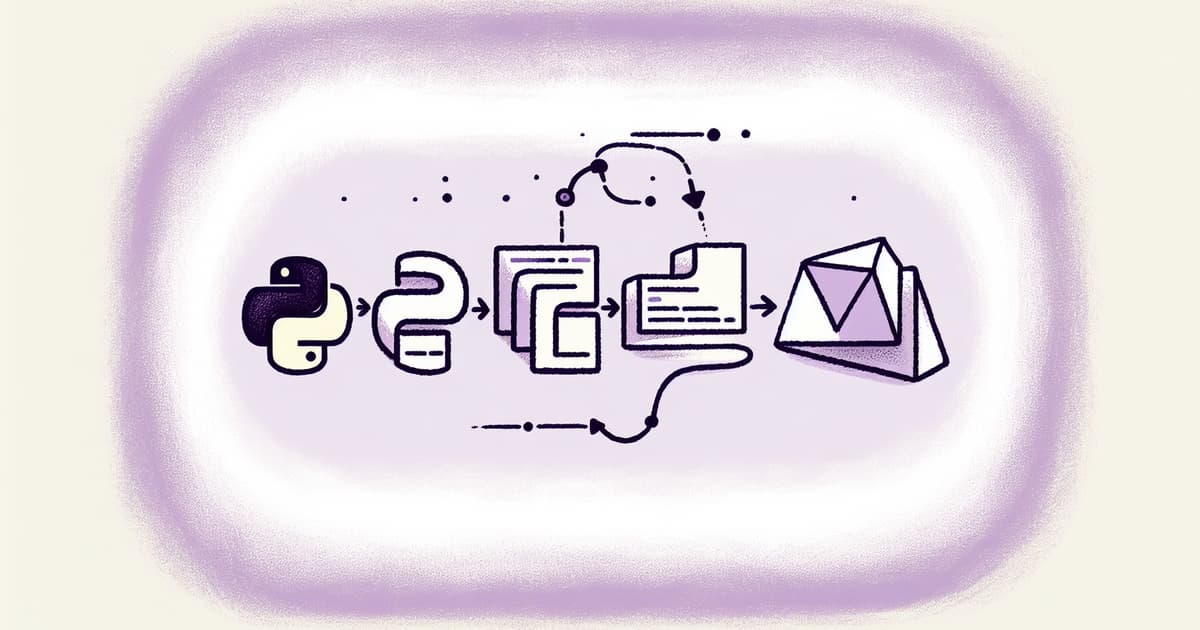
From Python to Elixir Machine Learning
Andres C Alejos discusses the growth of Elixir's machine learning ecosystem and why now is a good time to start porting machine learning code into Elixir. He provides practical tips and examples for developers looking to move from Python to Elixir for machine learning projects.

Insights on Using Elixir and Phoenix for Commercial Projects
Alex Korban shares his thoughts on using Elixir, Phoenix, and LiveView for a commercial project over the past 18 months. He finds Elixir enjoyable with a good combination of functional programming and concurrency, and while there are some areas that could be improved, both Elixir and Phoenix are solid tools with LiveView being an impressive addition for more complex applications.
© HashMerge 2026